
The Allure of Gambling: Understanding the Initial Attraction
The world of casinos captivates millions, and the initial attraction often stems from a blend of excitement, social interaction, and the promise of financial gain. The colorful lights, the sounds of laughter and cheers, and the buzz of spinning wheels create an environment that is both thrilling and inviting. For many, entering a casino feels like stepping into a realm of possibility where luck might just turn in their favor, especially when considering the rise of online casinos.
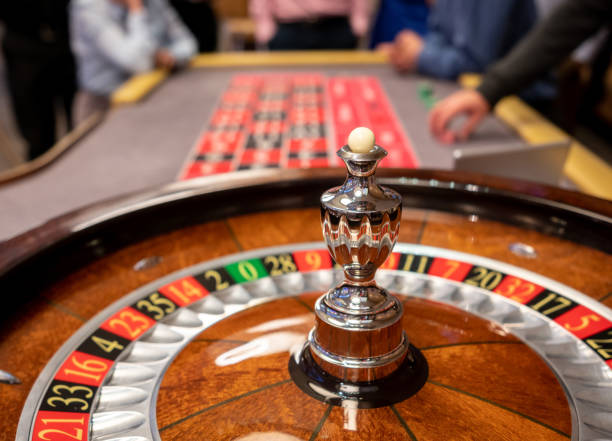
This allure is deeply rooted in psychological principles such as the excitement of risk and the chase for rewards. Players may experience an adrenaline rush when placing bets, which reinforces their desire to return and seek that high again. This phenomenon is often compared to the thrill of a roller coaster ride — it’s about the anticipation and the potential for an exhilarating outcome.
The Role of Cognitive Biases in Decision-Making
Cognitive biases significantly influence player behavior in casinos, often leading individuals to make decisions that contradict statistical probability. For example, the Gambler’s Fallacy — the belief that past events can influence future outcomes — can cause players to wager more heavily after a losing streak, convinced that their luck must change. This bias can lead to substantial financial losses, yet it perfectly illustrates the complexities of human psychology in gambling.
Additionally, players may fall prey to confirmation bias, where they focus on wins and downplay losses. This skewed perception can create a false narrative of success, fostering a desire to continue playing despite the odds being stacked against them. Understanding these cognitive traps is crucial for both players and those working in the gaming industry.
The Social Dynamics of Casino Gaming
Casinos are not just places for solitary gambling; they are social venues where people convene to share experiences. The interaction with other players or dealers can enhance the gaming experience, making it more enjoyable and engaging. This social aspect can lead to a sense of community among regular players, who often form bonds over shared experiences at the gaming tables.
Moreover, the presence of social proof can amplify gambling behaviors. When players observe others winning, they may feel motivated to join in, often disregarding the risks involved. This collective enthusiasm can create a hive mentality, where the excitement is infectious, pushing individuals to gamble more than they originally intended.
The Psychological Impact of Rewards and Reinforcements
The casino environment is meticulously designed to manipulate psychological responses through positive reinforcement. Slot machines and table games utilize reward mechanisms that can trigger the brain’s pleasure centers, similar to other forms of addiction. When a player wins, even a small amount, it creates a sense of accomplishment that encourages further play.
This intermittent reinforcement schedule is particularly potent, as players are unsure when the next win might occur. It taps into the brain’s desire for unpredictability, making the outcome feel more thrilling. This tactic ensures that players remain engaged for longer periods, often leading to increased bets and, in some cases, problematic gambling behaviors.

Raising Awareness About Gaming Addiction
Understanding the psychological dynamics behind casino gaming is essential, especially when considering the potential for addiction. The thrills associated with gambling can easily morph into compulsion, leading to significant personal and financial distress. It’s crucial for players to recognize the warning signs of gambling addiction, such as chasing losses or neglecting responsibilities in favor of gaming.
Resources and support systems are essential for individuals struggling with gaming addiction. Organizations dedicated to raising awareness, such as those focused on combating human trafficking and other social issues, play a vital role in educating the public about the risks of gambling addiction. Recognizing the signs early on and seeking help can make a significant difference in regaining control over one’s gambling habits.